
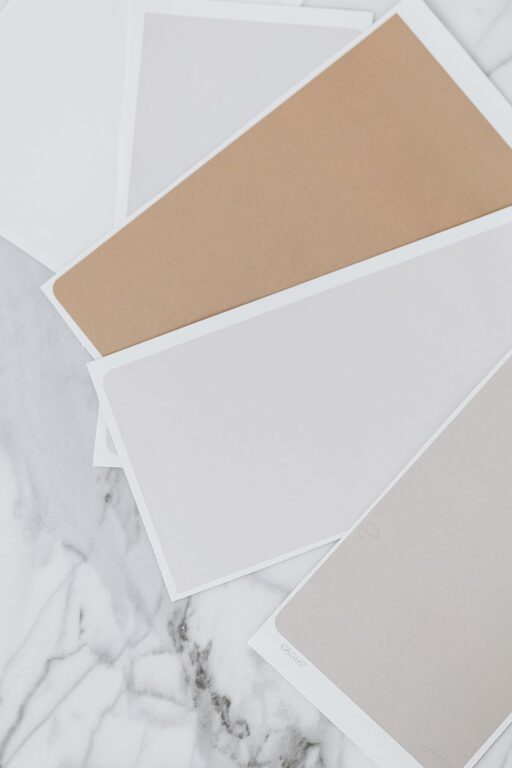
Creating a peaceful and relaxing atmosphere in your home often starts with the colors you choose for your walls and décor. Calm colors can transform any space into a soothing retreat, helping reduce stress and promote well-being. But with so many options available, it can be overwhelming to decide on the right hues. In this post, we’ll guide you through practical tips for choosing calm colors that suit your style and home environment.
Why Choose Calm Colors?
Before diving into color selection, it’s good to understand why calm colors matter. Colors affect our emotions and mood. Soft, muted shades tend to create a sense of tranquility and comfort, making your home a welcoming place to unwind. These colors are especially useful in rooms where you relax, such as bedrooms, living rooms, or reading nooks.
Understanding Calm Colors
Calm colors are generally those that are low in saturation and have softer tones. Common calm colors include:
– Blues: Often associated with serenity and stability.
– Greens: Linked to nature and balance.
– Neutrals: Such as soft beiges, warm grays, and creamy whites.
– Lavenders and soft purples: Known for their soothing qualities.
These colors tend to have a muted, understated look, rather than being bright or bold.
Tips for Choosing Calm Colors
1. Consider the Room’s Purpose
Think about how you use the room. Bedrooms benefit from restful colors like gentle blues or pale greens, while living rooms may work well with warm neutrals that encourage relaxation but also social interaction. For bathrooms, soft aqua or seafoam green can evoke a spa-like feel.
2. Test Colors in Different Lighting
Lighting dramatically changes how a color appears. Natural light can make colors look brighter, while artificial lighting may add warmth or coolness. Always test paint samples on your walls and observe them throughout the day before making a final choice.
3. Look for Muted Shades with a Hint of Gray
Colors with a gray undertone tend to be more subdued and calming. For example, instead of a bright blue, choose a dusty blue or slate tone. These options feel softer on the eyes and help create a relaxed vibe.
4. Use Color Palettes to Mix and Match
Instead of one solid color, consider combining complementary calm colors. For example, pair a soft beige with pale green accents, or blue-gray walls with cream furnishings. Keeping a consistent palette helps maintain harmony in your space.
5. Incorporate Natural Elements
Colors inspired by nature often feel more calming. Earthy tones like sage green or sandy beige paired with wooden furniture or plants can enhance the peaceful atmosphere.
6. Keep It Simple
Avoid overcrowding rooms with too many different colors. A simple color scheme with two or three calm tones usually works best to keep the space feeling balanced and uncluttered.
Popular Calm Color Choices for Different Rooms
Living Room
– Light taupe or warm gray as a neutral base
– Soft blue accent walls or accessories
– Creamy whites for trim and ceilings
Bedroom
– Pale blue for restful energy
– Soft lavender for relaxation
– Muted green for a natural, peaceful vibe
Kitchen
– Light gray or soft mint green for freshness
– Warm beige to create an inviting atmosphere
Bathroom
– Pale aqua or seafoam green
– Soft gray with white accents for a clean, serene look
Practical Steps to Get Started
- **Gather inspiration:** Browse magazines, websites, or paint brand samples to find colors you’re drawn to.
- **Order sample paints:** Buy small test pots and apply patches on different walls.
- **Live with the samples:** Observe the colors at various times, with different lighting.
- **Choose complementary décor:** Once your main color is picked, select furniture, rugs, and décor items that harmonize with it.
- **Don’t rush:** Sometimes the perfect calm color takes time to find, so be patient.
Final Thoughts
Choosing calm colors for your home is a rewarding step toward creating a sanctuary where you can relax and recharge. By focusing on muted, natural tones and considering how colors interact with light and space, you can design rooms that feel inviting and peaceful. Remember, your home should reflect your personal style while supporting your well-being, so trust your instincts and enjoy the process.
With these tips, your journey to a calmer, more harmonious home will be both fun and fulfilling. Happy decorating!